Skip to content
Wish lists
Cart
0 items

Popular Products

Mobile Folding DeskMobile Folding Desk

Mobile Folding Desk

Mobile Folding Desk for Flexible Workspaces The Alawooder Mobile Folding Desk is built for homes where the best workspace changes throughout the day. With a portable, flexible design, it can support home office work, studying, crafting, and daily tasks in bedrooms, living rooms, apartments,...
$239.00 USD
$239.00 USD
$239.00 USD
  • beige
  • white
  • black
  • brown
Folding Desk 40 InchFolding Desk 40 Inch

Folding Desk 40 Inch

Roomier Folding Desk for Home Office and Study The Alawooder Folding Desk 40 Inch gives you more working surface while keeping the flexibility of a foldable desk. It is a strong fit for home offices, study corners, bedrooms, craft spaces, and multipurpose rooms where...
$119.00 USD
$119.00 USD
$119.00 USD
  • beige
  • white
  • black
  • brown
  • rustic brown
Folding Desk 30 InchFolding Desk 30 Inch

Folding Desk 30 Inch

Compact Folding Desk for Small Spaces The Alawooder Folding Desk 30 Inch is designed for rooms where every inch matters. Its compact size makes it a practical choice for apartments, bedrooms, dorm rooms, guest rooms, and shared living spaces that need a reliable work...
$89.00 USD
$89.00 USD
$89.00 USD
  • white
  • black
  • brown
  • rustic brown
  • beige
Cart
0 items

News

How to Build a Small-Space Home Office Around a Folding Desk

by Alawooder Editorial Team 08 Jun 2026

Quick answer: A small-space home office works best when the desk is compact, easy to move, simple to store, and sized around the way you actually work. A folding desk can turn a bedroom corner, living room wall, guest room, or studio apartment into a practical workstation without permanently taking over the room.

For many people, the hardest part of working or studying at home is not finding motivation. It is finding a place that feels stable enough for focused work without making the home feel crowded. A full-size office desk can be useful if you have a spare room, but it can feel oversized in an apartment, dorm, guest bedroom, multipurpose living room, or shared family space. That is where a folding desk becomes more than a backup table. It becomes a flexible work surface that can appear when you need it and step out of the way when you do not.

This guide explains how to plan a small-space home office around a folding desk, what size to choose, how to place it, how to think about ergonomics, and how to keep the setup clean enough for daily use. It is written for readers who want a practical workspace rather than a showroom corner. The goal is to help you choose a desk and layout that fit real routines: laptop work, writing, video calls, crafting, studying, sorting paperwork, or switching between sitting and standing during the day.

What Is a Small-Space Home Office?

A small-space home office is a work area built inside a room that also serves another purpose. It might be a bedroom wall, a hallway nook, a corner near a window, the side of a dining area, or a section of a studio apartment. The difference between a small-space office and a regular office is that every piece has to earn its footprint. The desk, chair, storage, lighting, and accessories must support work without blocking movement, crowding the room, or creating visual clutter.

In this kind of setting, flexibility matters. A traditional desk is usually designed to stay in one place. A compact folding desk is designed to adapt. It can sit against a wall during work hours, move closer to natural light for a video call, fold away after a study session, or serve as a temporary project table on weekends. That flexibility is useful for renters, students, remote workers, small business owners, and anyone who does not want furniture to decide how a room must be used.

Why a Folding Desk Is a Smart Starting Point

A folding desk is not only about saving square footage. It is about lowering the friction between needing a workstation and creating one. If your desk is easy to open, stable enough to use, and simple to put away, you are more likely to use the same spot consistently. Consistency helps build a work routine, and a routine is often what makes a home office feel real.

For small rooms, the biggest advantage is recoverable space. A folding desk can give you a writing or laptop surface during the day, then return floor area to the room in the evening. This is especially useful when the same room is used for sleep, meals, exercise, family time, or storage. Instead of adding a permanent work zone, you create a work mode.

Another advantage is visual calm. Large desks often become storage surfaces. Papers, chargers, mail, mugs, notebooks, and random household items collect because the space is always available. A foldable setup encourages a cleaner end-of-day habit: remove the work items, close the desk, and reset the room. That simple ritual can make a small home feel less busy.

Choose the Right Desk Size for the Job

The best desk size depends on what you place on it every day. If you mostly use a laptop, notebook, and cup of coffee, a compact desk can be enough. If you use a monitor, keyboard, mouse, notebook, and desk lamp, you need more width and depth. Before buying, list the items that must sit on the surface at the same time. Then measure that working footprint, not just the room.

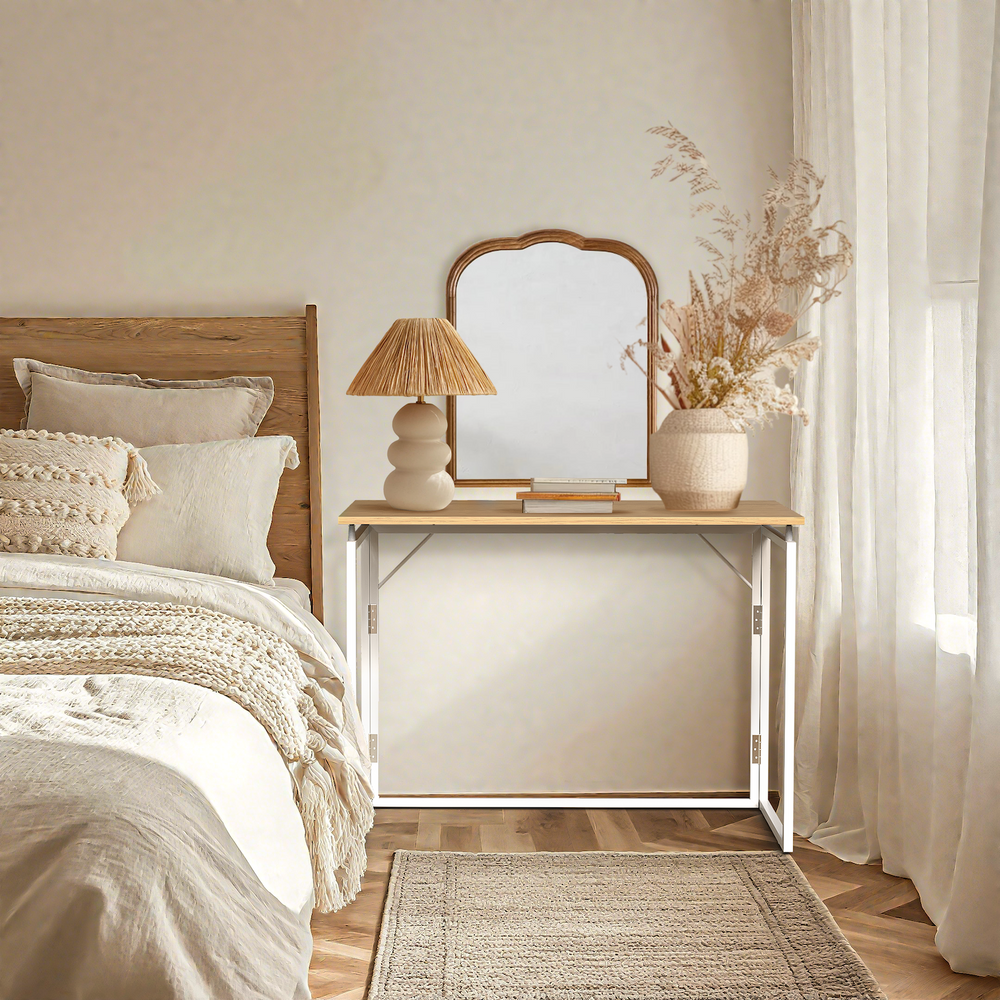
A 30-inch folding desk is often a strong choice for a laptop-first setup. It works well in tighter corners, bedrooms, dorms, small apartments, and spaces where the desk needs to share a wall with shelves, a wardrobe, or a bed. The Alawooder Folding Desk 30 Inch is a good example of the kind of compact footprint that can support everyday writing, studying, and laptop work without requiring a dedicated office room.

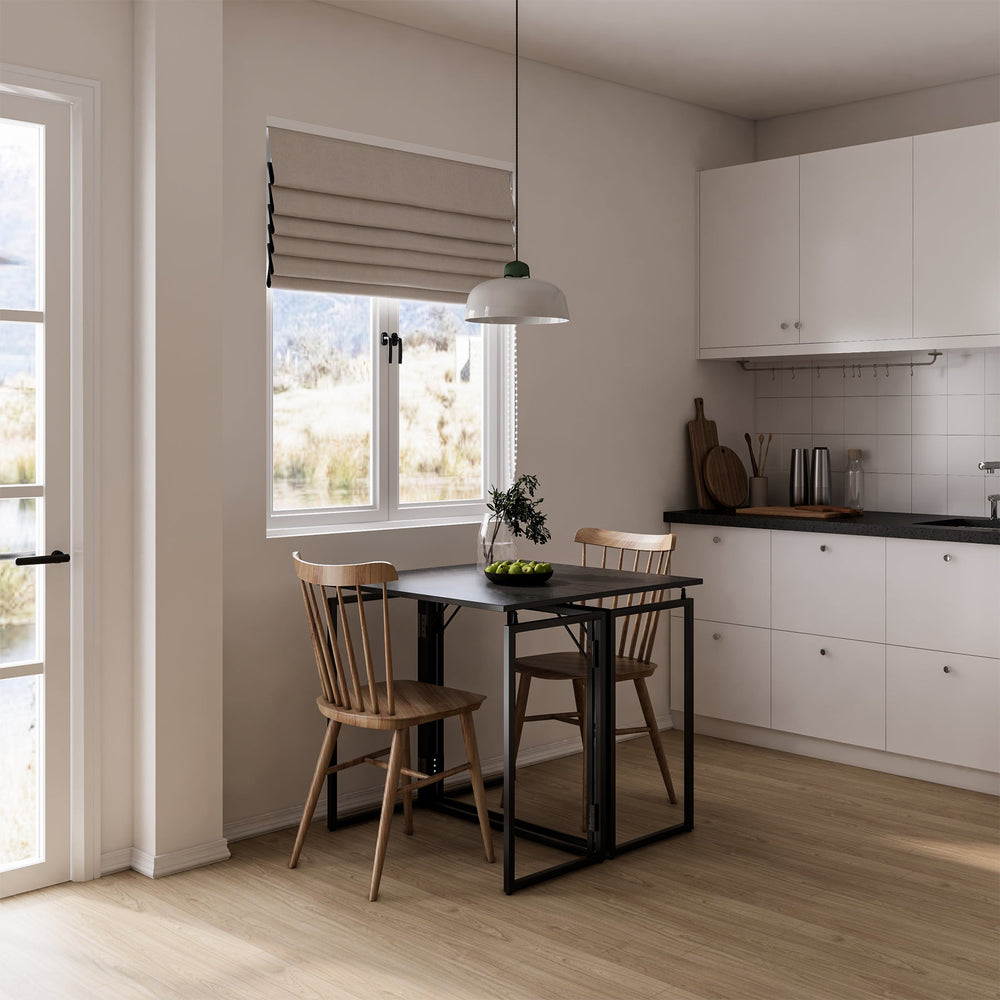
A 40-inch folding desk gives more room for people who want a wider surface. It can be more comfortable for dual-purpose work: laptop plus notebook, keyboard plus monitor, craft supplies, or paperwork. If you want a desk that still stays compact but gives you more breathing room, the Alawooder Folding Desk 40 Inch may fit better than the smaller option.

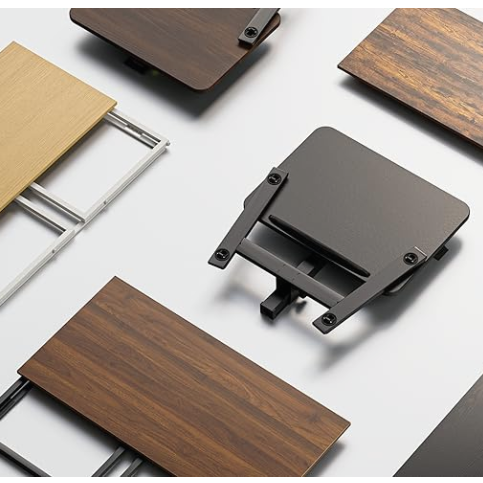
A mobile folding desk is useful when your best workspace changes during the day. You might want to work near a window in the morning, shift closer to a power outlet, move beside a sofa, or roll the desk out of view after work. The Alawooder Mobile Folding Desk is especially relevant for flexible layouts because it supports a more adaptable room plan.

Desk Size Comparison

Desk Type Best For Small-Space Advantage Product Link
30-inch folding desk Laptop work, writing, studying, dorm rooms, tight corners Small footprint and easy placement View 30-inch desk
40-inch folding desk Laptop plus notebook, monitor setups, craft work, longer sessions More working surface while staying compact View 40-inch desk
Mobile folding desk Flexible rooms, shared spaces, sit-stand routines, movable work zones Can move with your daily routine View mobile desk

Start With the Room, Not the Desk

Before choosing furniture, look at the room as a route. Where do people walk? Which doors need clearance? Where are the outlets? Where does natural light fall? Where would a video call background look clean? Small-space planning is less about filling an empty wall and more about protecting the flow of the room.

A desk placed in the wrong spot can make a room feel smaller even if the desk is physically compact. Avoid blocking closet doors, balcony doors, heater vents, and the normal path from one side of the room to the other. A good home office corner should be easy to enter, easy to leave, and easy to reset. If you have to move three things every time you sit down, the setup will not last.

Wall placement usually works well because it keeps the desk out of the center of the room. Window placement can be pleasant, but make sure glare does not make laptop work harder. Corner placement can feel efficient, especially if one wall supports shelving or a small storage cart. Floating placement can work with a mobile desk, but only if there is enough room to move around the chair.

Think in Work Modes

Small rooms often need more than one mode. In the morning, the room might be a focused office. In the evening, it might become a bedroom, dining area, or family space. A folding desk makes this easier because it lets the room change purpose without a complete rearrangement.

For laptop work mode, keep the desk surface simple: laptop, notebook, water, and one cable path. For writing mode, clear enough space for paper and keep pens in a portable cup or small tray. For craft mode, use a mat or bin so supplies can be lifted away together. For video call mode, place the desk where the background is calm and the light is in front of you rather than behind you.

This mode-based approach also helps with purchasing decisions. If you only need one mode, choose the smallest desk that supports it comfortably. If you need several modes, choose either a wider folding desk or a mobile folding desk that can move with the task.

Ergonomics for a Compact Desk Setup

Good ergonomics do not require a large office. They require a workable relationship between your chair, desk, screen, keyboard, and body. The goal is to reduce strain during normal use. A desk should allow your shoulders to relax, your elbows to stay near your sides, and your wrists to remain in a neutral position when typing.

If you use a laptop for long sessions, consider adding a separate keyboard and mouse. Raising the laptop screen can help your neck posture, but once the laptop is raised, the built-in keyboard is usually too high for comfortable typing. A compact external keyboard and mouse can make a small desk feel much more comfortable.

Your chair matters too. In a small room, people often use a dining chair or stool because it is already available. That can work for short sessions, but longer workdays may require better back support. If a full office chair is too large, look for a slim chair that supports upright posture and can tuck under the desk or sit neatly against the wall.

For sit-stand flexibility, a mobile height-adjustable desk can help you change positions. Standing all day is not the goal. Movement is the goal. Alternating between sitting, standing, stretching, and short walks can make a small home office feel less tiring.

Storage: Keep It Portable and Limited

The simplest way to keep a small desk functional is to avoid turning it into storage. A folding desk should stay easy to close or move. That means most supplies need another home. Use portable storage rather than permanent piles.

A small basket, rolling cart, drawer unit, wall shelf, or document box can hold the items you use often. The key is to separate active work from stored work. Active work belongs on the desk only while you are using it. Stored work belongs in a container. This distinction keeps the desk available for the next task.

For a clean daily routine, use the “one tray rule.” Keep one tray or bin for the items that come out during work: charger, notebook, pen, mouse, and small accessories. At the end of the day, put everything back into the tray. If the desk folds, the tray moves first. If the desk stays open, the tray still prevents the surface from becoming a catchall.

Lighting Makes a Small Workspace Feel Larger

Lighting has a big effect on how comfortable a small office feels. A dark corner can make work feel temporary and tiring. A well-lit corner can feel intentional, even if the desk is compact. Natural light is helpful, but it should not create glare on your screen. Side lighting is often better than light directly behind the monitor.

If you use a desk lamp, choose one with a small base or clamp-style design. A large lamp can consume valuable surface area. Warm light can feel comfortable in the evening, while cooler light can feel more alert during focused tasks. If your room doubles as a bedroom, adjustable lighting is especially useful because the same space needs different moods at different times.

For video calls, front-facing light is usually more flattering and clearer than backlight. If your desk faces a window, that may work well during the day. If your back is to the window, calls may show a bright background and a dark face. In that case, shift the desk angle or add a small front light.

Cable Management for Folding Desks

Cables can make a small workspace look messy faster than almost anything else. With a folding desk, cable management should stay flexible. Avoid permanent cable setups that make the desk hard to move or close. Instead, use short cables, simple clips, and a charging routine that matches your work mode.

One practical approach is to keep a small charging pouch with your laptop charger, phone cable, and adapter. When you open the desk, the pouch comes out. When you finish, the pouch goes away. If the desk usually stays near the same outlet, a single extension cord with a neat path can help, but it should not cross walking areas.

If you use a monitor, cable management becomes more important. A 40-inch desk often gives more room for monitor accessories than a smaller desk. For a laptop-only setup, a 30-inch desk can stay very clean if you avoid extra devices and use wireless accessories where practical.

How to Make the Desk Look Intentional

A small-space home office does not need heavy decoration, but it should look intentional. The easiest way to do that is to repeat colors and materials already in the room. If your room has light wood, choose a desk finish that relates to it. If the room has black accents, a black desk can feel connected. If the room is bright and minimal, white or beige can keep the area quiet.

Visual consistency matters because small rooms show clutter quickly. A desk that matches the room will feel less intrusive. A desk that clashes may draw attention to the fact that the room is serving multiple purposes. Color is not just decoration; it is a way to make flexible furniture feel like part of the home.

Keep the wall above the desk simple. One shelf, one calendar, one framed print, or one task light can be enough. Too many items above a compact desk can make the area feel cramped. The goal is a calm working zone, not a miniature office showroom.

When a Mobile Folding Desk Makes More Sense

A mobile folding desk is useful when you cannot commit to one permanent work location. This can happen in shared apartments, family homes, multipurpose rooms, or any space where the best light and lowest noise change throughout the day. A desk with wheels can also help if you want to move from sitting to standing tasks or roll a work surface next to a sofa, chair, or bed for short sessions.

The Alawooder Mobile Folding Desk is relevant for this kind of flexible routine. Instead of designing a fixed office corner, you design a movable work station. That can be especially helpful for people who use the same surface for work, planning, hobbies, and household tasks.

When choosing a mobile desk, pay attention to stability, wheel control, height range, and where it will park when not in use. A mobile desk still needs a home base. If it has no parking spot, it may become an obstacle. Good small-space design includes both the active position and the resting position.

How to Choose Between 30-Inch and 40-Inch Folding Desks

Choose a 30-inch desk if your space is tight and your work is simple. It is best for laptop use, note-taking, reading, light study, and short-to-medium work sessions. It also fits more easily into bedrooms, guest rooms, small apartments, and dorm spaces. If the desk needs to disappear visually, smaller is often better.

Choose a 40-inch desk if you want more surface area without moving to a full-size office desk. It is better for monitor use, paperwork, crafting, wider notebooks, or people who simply feel more comfortable with extra room. The 40-inch folding desk is usually a stronger choice if the desk will stay open most days.

If you are not sure, measure your work tools. Place your laptop, notebook, mouse, and any must-have accessories on a table. Measure the comfortable area you actually use. This real-world test is more reliable than guessing from product photos.

Common Mistakes to Avoid

The first mistake is buying a desk before measuring the walking space. A desk can fit against the wall but still make the room uncomfortable if the chair blocks a path. Always measure the desk and the chair together. The chair needs space to pull out, and your body needs room to sit and stand without bumping into other furniture.

The second mistake is choosing a desk that is too small for the actual task. A compact desk is useful, but only if it supports the work. If you need a monitor, keyboard, paperwork, and a lamp, a very narrow surface may become frustrating. Saving space should not mean making work harder.

The third mistake is ignoring storage. Even the best desk will feel messy if supplies have nowhere to go. Plan storage before the clutter arrives. A small bin, shelf, or cart can make the difference between a flexible workspace and a permanent pile.

The fourth mistake is using the desk as a general household surface. Once mail, laundry, packages, and unrelated items take over, the work zone disappears. A folding desk works best when it has a clear identity: this is the place for focused work, study, or projects.

SEO-Friendly Buying Checklist

  • Measure your room: Include desk width, depth, chair clearance, and walking paths.
  • Match the desk to your work: Laptop-only users can go smaller; monitor users usually need more surface area.
  • Plan storage: Keep supplies in a portable tray, cart, or drawer rather than on the desk.
  • Check lighting: Avoid glare and create enough light for reading, writing, and video calls.
  • Think about reset time: The easier the desk is to clear, fold, or move, the more likely you are to keep using it.
  • Use internal product comparisons: Compare the 30-inch folding desk, 40-inch folding desk, and mobile folding desk before choosing.

Frequently Asked Questions

Is a folding desk good for everyday work?

Yes, a folding desk can be good for everyday work if it is stable, sized for your tools, and paired with a comfortable chair. It is especially useful for laptop work, writing, studying, and flexible home office setups. For heavy monitor setups or very long workdays, choose a wider surface and pay extra attention to ergonomics.

What size folding desk is best for a small apartment?

A 30-inch folding desk is often enough for a small apartment if you mainly use a laptop and notebook. A 40-inch desk is better if you want extra room for a monitor, keyboard, paperwork, or craft materials. The right size depends on both the room and the tools you use daily.

Can a folding desk make a room look cluttered?

It can if the desk becomes storage. To keep the room clean, use portable storage and clear the surface at the end of each work session. A desk that matches the room color and has a simple setup usually looks more intentional.

Should I choose a desk with wheels?

Choose a desk with wheels if your work location changes, if you share the room with other activities, or if you want a surface that can move between sitting, standing, and project tasks. Make sure the desk has a clear parking spot when not in use.

Where can I compare Alawooder folding desks?

You can start with the Alawooder folding desk collection, then compare the compact 30-inch option, the wider 40-inch option, and the mobile folding desk based on your room size and work routine.

Final Thoughts

A small-space home office should make daily work easier, not make your home feel smaller. A folding desk helps because it gives you a real work surface without demanding a permanent office room. The best setup begins with your actual routine: where you sit, what you use, how long you work, when the room needs to reset, and how much surface area feels comfortable.

If you want the smallest practical setup, start with the Folding Desk 30 Inch. If you need more workspace, compare the Folding Desk 40 Inch. If your workspace needs to move with you, consider the Mobile Folding Desk. For a broader view, browse the folding desk collection and choose the piece that fits the room you already live in.

Prev post
Next post
Someone recently bought a

Thanks for subscribing!

This email has been registered!

Shop the look

Choose options

Edit option
Back In Stock Notification
Terms & conditions
What is Lorem Ipsum? Lorem Ipsum is simply dummy text of the printing and typesetting industry. Lorem Ipsum has been the industry's standard dummy text ever since the 1500s, when an unknown printer took a galley of type and scrambled it to make a type specimen book. It has survived not only five centuries, but also the leap into electronic typesetting, remaining essentially unchanged. It was popularised in the 1960s with the release of Letraset sheets containing Lorem Ipsum passages, and more recently with desktop publishing software like Aldus PageMaker including versions of Lorem Ipsum. Why do we use it? It is a long established fact that a reader will be distracted by the readable content of a page when looking at its layout. The point of using Lorem Ipsum is that it has a more-or-less normal distribution of letters, as opposed to using 'Content here, content here', making it look like readable English. Many desktop publishing packages and web page editors now use Lorem Ipsum as their default model text, and a search for 'lorem ipsum' will uncover many web sites still in their infancy. Various versions have evolved over the years, sometimes by accident, sometimes on purpose (injected humour and the like).

Choose options

this is just a warning
Login
Shopping cart
0 items