For decades, homes were designed around permanence. Heavy sofas stayed in place for years. Desks were assembled once and never moved again. Furniture was expected to fit the room—not the rhythm of daily life.
That era is quietly ending.
Today, more people are living in smaller spaces, changing homes more frequently, and blending work, rest, and creativity into the same rooms. As lifestyles become more fluid, furniture is evolving to match. Welcome to the new era of flexible furniture—where homes move with you, not against you.
Modern Life Is No Longer Static
The way we live has changed dramatically.
Remote work, hybrid schedules, online learning, and side projects have reshaped daily routines. A bedroom might be an office in the morning, a dining area at night, and a creative corner on weekends. Fixed, single-purpose furniture struggles to keep up with this reality.
This shift is reflected in growing interest around terms like flexible furniture, space-saving design, and portable desks. People aren’t just looking for furniture that looks good—they want furniture that adapts.
Flexibility Is the New Luxury
In modern homes, flexibility has become a form of luxury.
Instead of owning more furniture, people prefer owning smarter furniture—pieces that can be folded, moved, adjusted, or stored away when not in use. Flexibility reduces clutter, saves space, and brings a sense of control to everyday living.
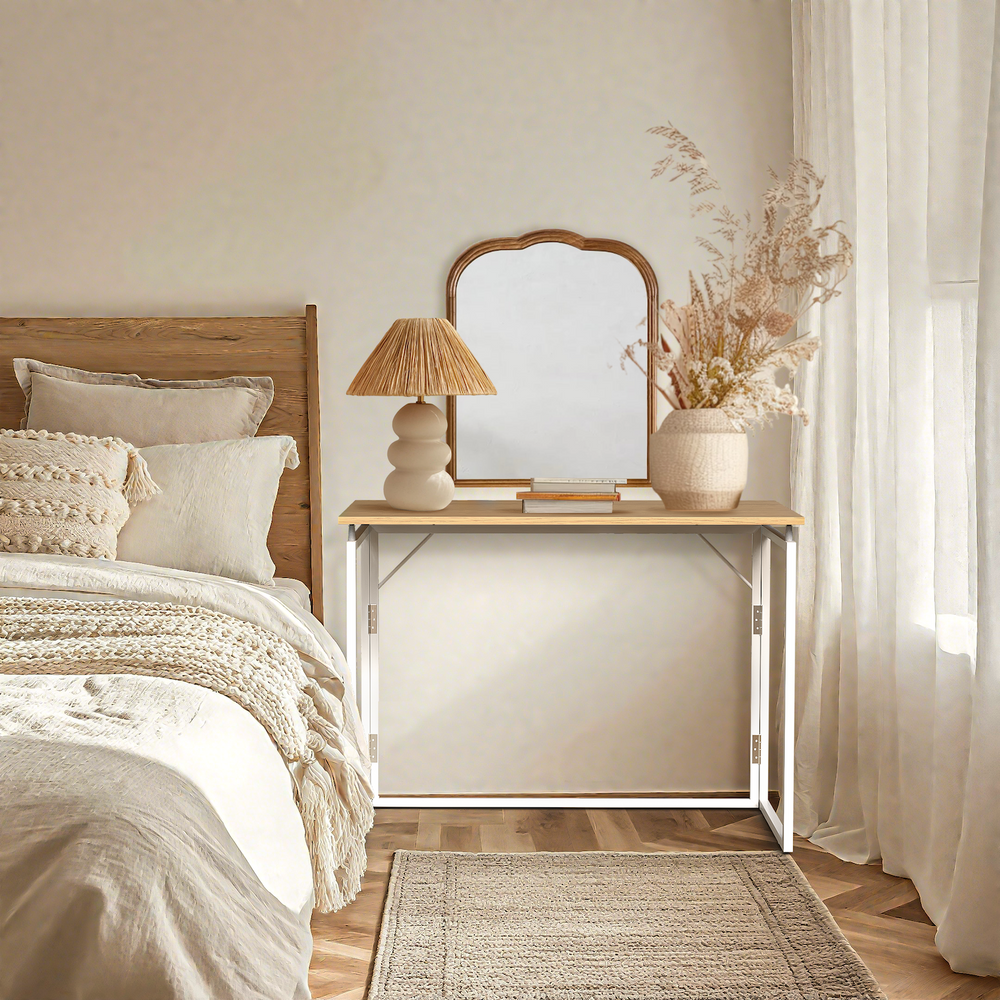
A folding desk, for example, can appear when needed and disappear when life shifts. It allows a home to breathe, instead of being locked into a single layout.
Furniture That Supports Movement, Not Restriction
Traditional furniture often dictates behavior:
Sit here. Work only here. Don’t move this.
Flexible furniture reverses that relationship.
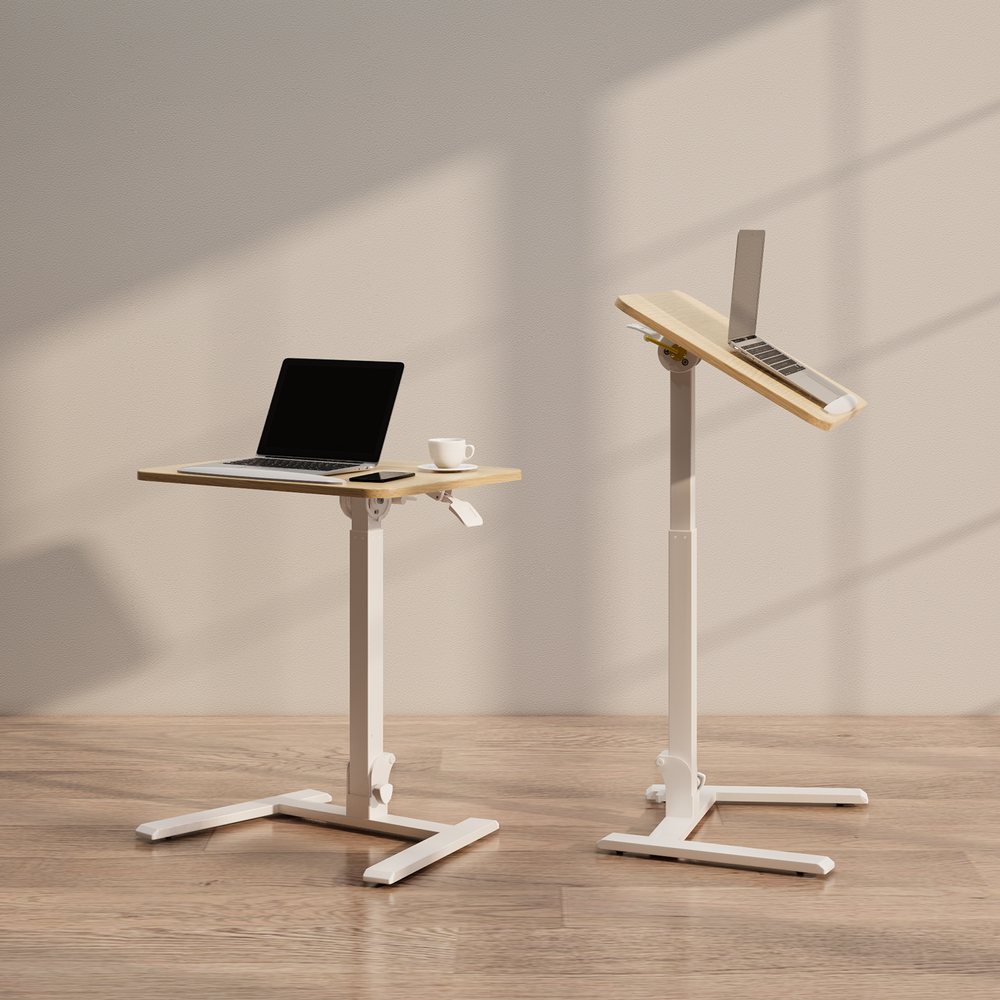
Lightweight, mobile designs support movement throughout the home. You can work near natural light in the morning, shift closer to the kitchen in the afternoon, or create a quiet corner at night—all without rearranging an entire room.
This kind of adaptability isn’t just convenient; it supports well-being. Changing posture, scenery, and environment throughout the day helps reduce physical strain and mental fatigue.
Design That Fits Real Homes
Modern furniture trends are also embracing honest design—pieces that are practical, durable, and visually calm.
Clean lines, minimal structures, and neutral finishes allow furniture to blend naturally into different rooms and styles. Flexible furniture doesn’t demand attention; it complements daily life quietly and effectively.
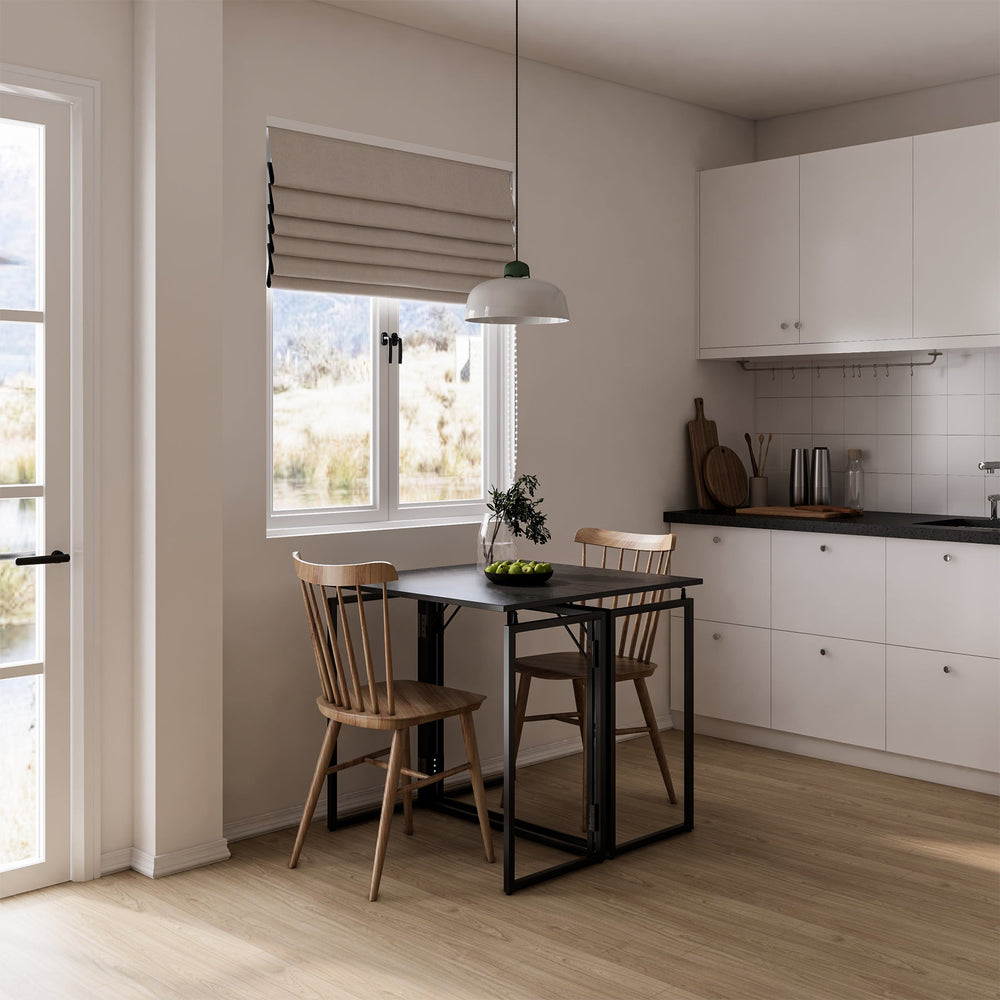
A well-designed folding desk can function as a workspace, a hobby table, or a temporary dining surface—without ever feeling out of place.
Sustainability Through Adaptability
Flexibility also supports sustainability.
When furniture can adapt to new homes, new routines, and new needs, it stays useful longer. This reduces unnecessary replacement and waste. Instead of discarding furniture when life changes, people can simply reconfigure how they use it.
Choosing adaptable furniture is not just a lifestyle decision—it’s a more responsible one.
The Future of Home Living
Homes today are no longer static showcases. They are living environments that evolve with us.
Flexible furniture represents a new mindset: one that values freedom over permanence, simplicity over excess, and adaptability over rigidity. As our lives continue to change, the furniture we choose should support that movement—not limit it.
A home that moves with you is not about owning more.
It’s about owning better.